Rodrigo Beckmann
CEO

With the rise of generative AI, Generative Engine Optimization (GEO) and Answer Engine Optimization (AEO) have become key strategies in digital marketing. This has sparked a central question: are the results from engines like ChatGPT and Perplexity the same for everyone, whether accessed via the web interface or an API? Understanding the AI API vs Interface distinction is vital for protecting your brand’s reputation and optimizing visibility in AI-generated answers.
The Arrival of Web Search for Everyone on ChatGPT
In February 2025, a small change sent ripples through the digital marketing world. ChatGPT announced that its web search feature was now available to everyone, even users who weren’t logged in. Suddenly, anyone could search for recent information directly through the ChatGPT interface and receive answers that cite websites and include up-to-date data.
This was enough to give GEO and AEO professionals sleepless nights. The fear? Losing ground to competitors at the most critical entry point for purchasing decisions: the answers provided by AI engines.

Interface vs. API: A Direct Impact on GEO and AEO
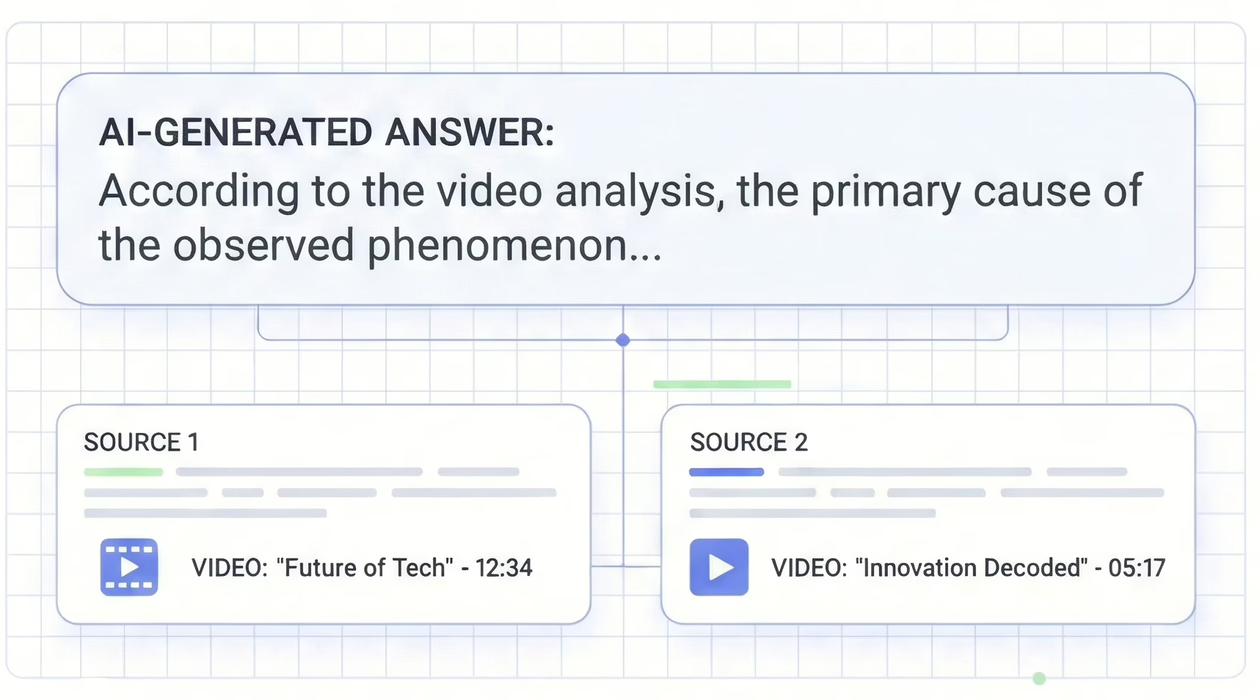
A quick comparison makes it clear: using the web interface of ChatGPT or Perplexity is a different experience from using their API. On the website, the user is guided by a visual experience with highlighted sources, links, citations, and menus. Through the API, the response is a plain text string, ready to be processed by applications, chatbots, or other integrations.
In other words, APIs focus on simplicity and flexibility, allowing developers to adjust various parameters. But the user experience on the interface is entirely different, offering well-presented information, direct citations, and relevant context.
What we see on the interface is not always what we get through the API.
Citations, Searches, and Settings: Why GEO and AEO Must Mind the Gap
To better understand these distinctions, let’s look at some practical examples:
- ChatGPT Web: The web search feature is exclusive to the interface, where users see cited links, snippets, and page summaries. While the API provides text-based answers, it cannot faithfully reproduce the visual and contextual settings the interface offers.
- Perplexity: This tool provides navigation and citations in both its interface and API. However, the settings available on the interface can lead to significantly different outputs from the API. Factors like allowed sources and search filters influence the results, and Perplexity’s own documentation admits that discrepancies can occur.
These differences are crucial for anyone tracking brand mentions. Citations might appear for a regular user on the interface but be absent from an API query—or vice versa.
The Hidden Controls and Possibilities of the API
Contrary to what many believe, the API offers a “hidden control panel” for developers. When building integrations, it’s possible to:
- Choose the primary LLM (Large Language Model), varying between more or less advanced versions.
- Set a system message to guide the AI’s behavior (e.g., always respond as an expert on a specific topic).
- Adjust the “temperature” for more creative or more factual responses.
- Control the “Top P” to limit the randomness of the text.
- Define the search context by “feeding” the AI more detailed or concise information.
- Filter allowed web domains, determining where the AI can source or cite information.
What’s the Impact on Marketing and Reputation Management?
A chatbot developer might not worry about the subtle differences between an API and an interface. But for branding, public relations, or SEO teams, what the average user actually sees is what matters most.
This raises several important points of concern:
- Mention Tracking: Monitoring tools that use an API may not capture the same citations, links, and context that appear on the user interface.
- Purchase Decisions and Brand Perception: Regular users access the interface, making it the true “mirror” of your digital authority.
- Competitor Benchmarking: Details like response formatting, highlighted links, or direct mentions make a difference in how a brand is perceived.
The interface experience is what helps the public form an opinion.
The Dangers of Relying Solely on API Monitoring
There’s nothing wrong with using APIs for automated reports. But there’s a trap: some monitoring tools promise to track all mentions of your brand but rely solely on API responses. This can create distortions and a false sense of security. You might be missing what your audience actually sees, losing opportunities to defend your brand or highlight competitive advantages.
Platforms like First Answer aim to fill this gap. The goal is to deliver reports that are faithful to what a typical user sees when searching for a brand on ChatGPT or Perplexity, as the data comes from the interfaces, not the APIs. This gives marketing teams a reliable way to track their brand’s true exposure in AI answers.
Exemplo prático dessa diferença no cotidiano
Pense em um cenário real: o gestor de comunicação de uma grande marca quer saber se seu nome está sendo citado, com destaque, nas principais buscas sobre “melhores produtos sustentáveis” no ChatGPT. Ele contrata uma solução de monitoramento que só se conecta ao API. No relatório, quase nada aparece. Só que ao acessar o ChatGPT pela web, ele encontra a marca listada, com link e contexto positivo. Uma sensação de dúvida aparece: afinal, qual dado é o “verdadeiro”?
Isso ilustra como a diferença não é apenas técnica. Ela impacta decisões, reputação e resultados práticos no dia a dia.

Looking Ahead: The Smart Use of Interfaces and APIs
Ultimately, both methods have their value. The API allows for custom solutions, integrations, and automations that help companies scale and control technical details. The interface, on the other hand, provides an experience closer to the end-user’s reality, with easily interpretable context, citations, and insights.
Anyone monitoring a brand’s digital presence needs to reconcile these two worlds. As GEO and AEO solidify their place in the new era of AI-driven marketing, understanding the AI API vs Interface difference is no longer a technicality—it’s a real competitive advantage.
As Generative Engine Optimization (GEO) and Answer Engine Optimization (AEO) become pillars of the new era of AI-powered marketing, understanding the difference between an API and an interface is no longer just a technical detail. It has become a real competitive advantage for brands aiming to dominate AI-generated results.
Curious to see how your brand really looks on AI search engines? To get answers about your monitoring strategy, try First Answer and connect with our team. Your brand’s future visibility starts on the right screen.
Frequently asked questions
API stands for Application Programming Interface. In simple terms, it’s a set of rules and protocols that allows different software systems to communicate with each other, typically in an automated way. APIs deliver data or functionality to other programs, facilitating custom integrations.
An interface, often called a User Interface (UI), is the visual environment or “screen” that allows a user to directly interact with a tool, system, or application. It can be a website, an app, or any visual platform where commands are given and information is displayed in a user-friendly manner.
The main difference lies in the method of interaction: The interface provides a user-friendly, visual experience with organized information, menus, citations, and context designed for a human user. The API acts as a technical channel for software, allowing applications to fetch data or send commands without any direct visual contact. Responses are typically in plain text or a structured format (like JSON), lacking the rich contextual details of the interface.
It depends on your goal: Use the interface when you need a visual experience, navigational context, clear citations, and an easy way to make decisions as a end-user. Use the API when you need to automate tasks, integrate systems, customize responses, or build your own applications, always keeping in mind that the results may differ from the interface experience.
Neither is inherently more secure; security depends entirely on how they are designed and implemented. APIs are typically protected with authentication, rate limits, and encryption, but they can also pose risks if misconfigured. Interfaces are exposed to users, with security features often focused on access control. The best approach is to ensure strong security practices for both, as security is a shared responsibility.